
The Creative Fusion Age: How Film, Music & Digital Storytelling Are Changing Marketing
1. The New Language of Marketing: Emotion + Experience
Marketing today is shifting away from purely informational messages and moving toward emotional, experience-driven communication. Film and music naturally evoke feelings, and when combined with digital storytelling, they transform ordinary content into memorable experiences. Brands are using cinematic visuals, music-guided moods, and narrative arcs to create deeper, more personal connections with audiences instead of relying on traditional advertising styles.
2. Video Is No Longer Optional — It’s the Core Medium
Video has become the foundation of modern marketing because it blends motion, music, visuals, and narrative in a single format. Through film-style content, brands can express personality, highlight customer stories, and present products in dynamic and relatable ways. Whether it’s a polished commercial or a quick short-form reel, video now captures more attention than any other medium, making it central to effective digital campaigns.
3. Music Shapes Brand Identity in Powerful Ways
Music plays a critical role in defining a brand’s emotional tone. The right sound can set the mood instantly and leave a lasting impression. Marketers are using music to strengthen brand recall, create recognizable audio signatures, and enhance storytelling across digital platforms. Even simple visuals can become striking and memorable when paired with a thoughtful music track.
4. Digital Storytelling Makes Brands Feel Human
Digital storytelling allows brands to communicate through narratives instead of hard-selling. This includes behind-the-scenes content, customer journeys, mini-documentaries, and creator-led stories. By sharing real experiences and relatable moments, brands appear more authentic and approachable. Storytelling builds trust by showing audiences who the brand is, not just what it sells.
5. Multi-Platform Storytelling Reaches Audiences Everywhere
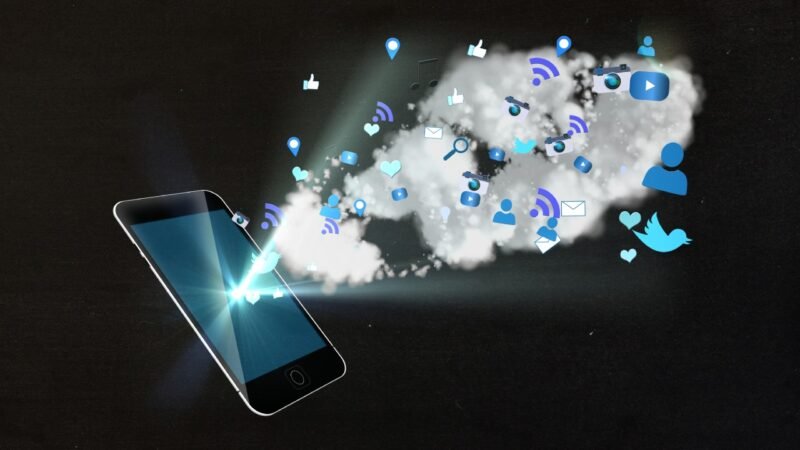
Effective campaigns today stretch across multiple platforms, each offering a unique version of the same story. A brand might release a short film on YouTube, a music-backed reel on Instagram, a narrative thread on X, and behind-the-scenes clips on TikTok. This multi-platform approach ensures that audiences encounter the story in different formats, helping it stay top of mind while reaching broader communities.
6. The Rise of Interactive and Immersive Content
Modern audiences want to participate, not just watch. This has led to the rise of interactive and immersive content such as AR filters, music-based challenges, live-streamed experiences, and interactive videos. These formats turn viewers into active participants, making the marketing experience more personal and memorable. As technology evolves, immersive storytelling will play an even bigger role in audience engagement.
7. Collaboration Between Creatives Is Fueling the Shift
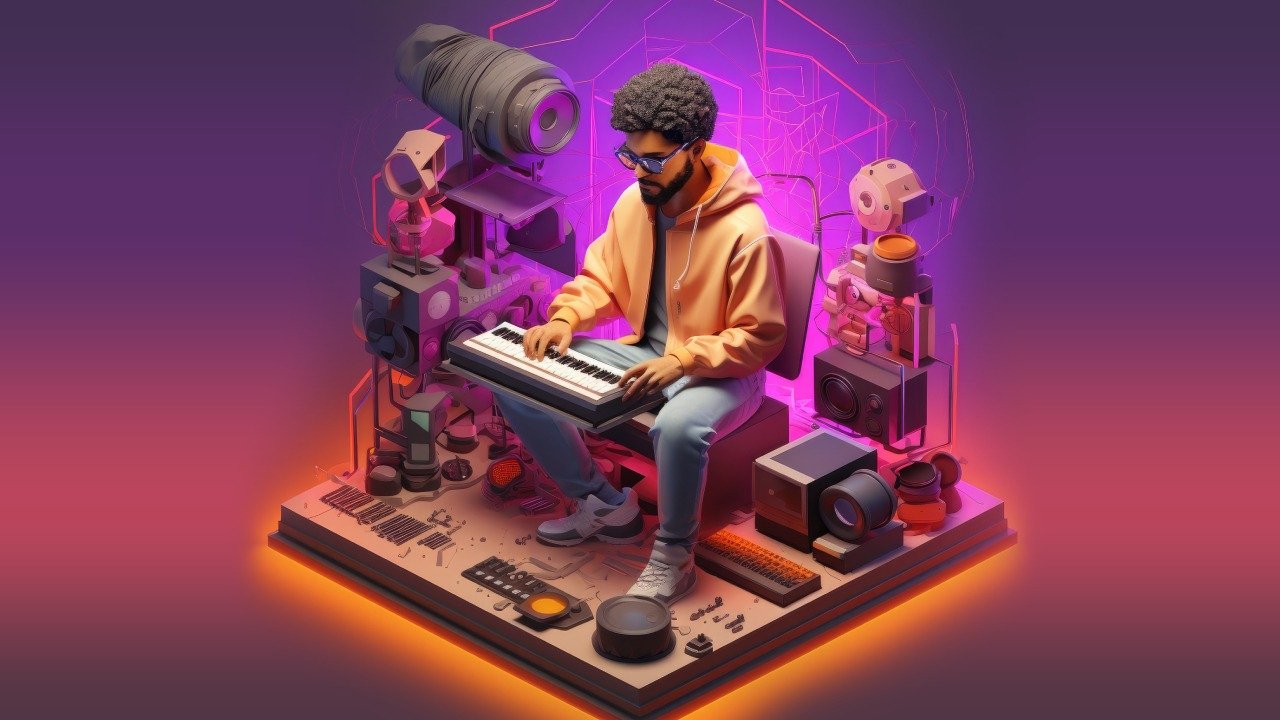
The Creative Fusion Age thrives on collaboration. Filmmakers, musicians, digital creators, writers, and influencers now work closely with marketers to produce layered, multi-dimensional campaigns. This diversity in creative input leads to richer storytelling and standout content. By blending skills and perspectives, brands create campaigns that feel fresh, modern, and emotionally compelling.
Conclusion: The Future Belongs to Story-First Brands
Film, music, and digital storytelling are no longer separate elements of marketing. They have merged into a unified creative force that defines how brands connect with people today. Companies that embrace this fusion—by prioritizing emotion, narrative, and immersive content—create marketing experiences that feel genuine and memorable. In an environment filled with constant content, the brands that rise above are the ones that tell meaningful stories and create emotional impact.